Lift off at Penguin Coast
Two vulnerable Humboldt penguin chicks have hatched at our Penguin Coast zoo exhibit!
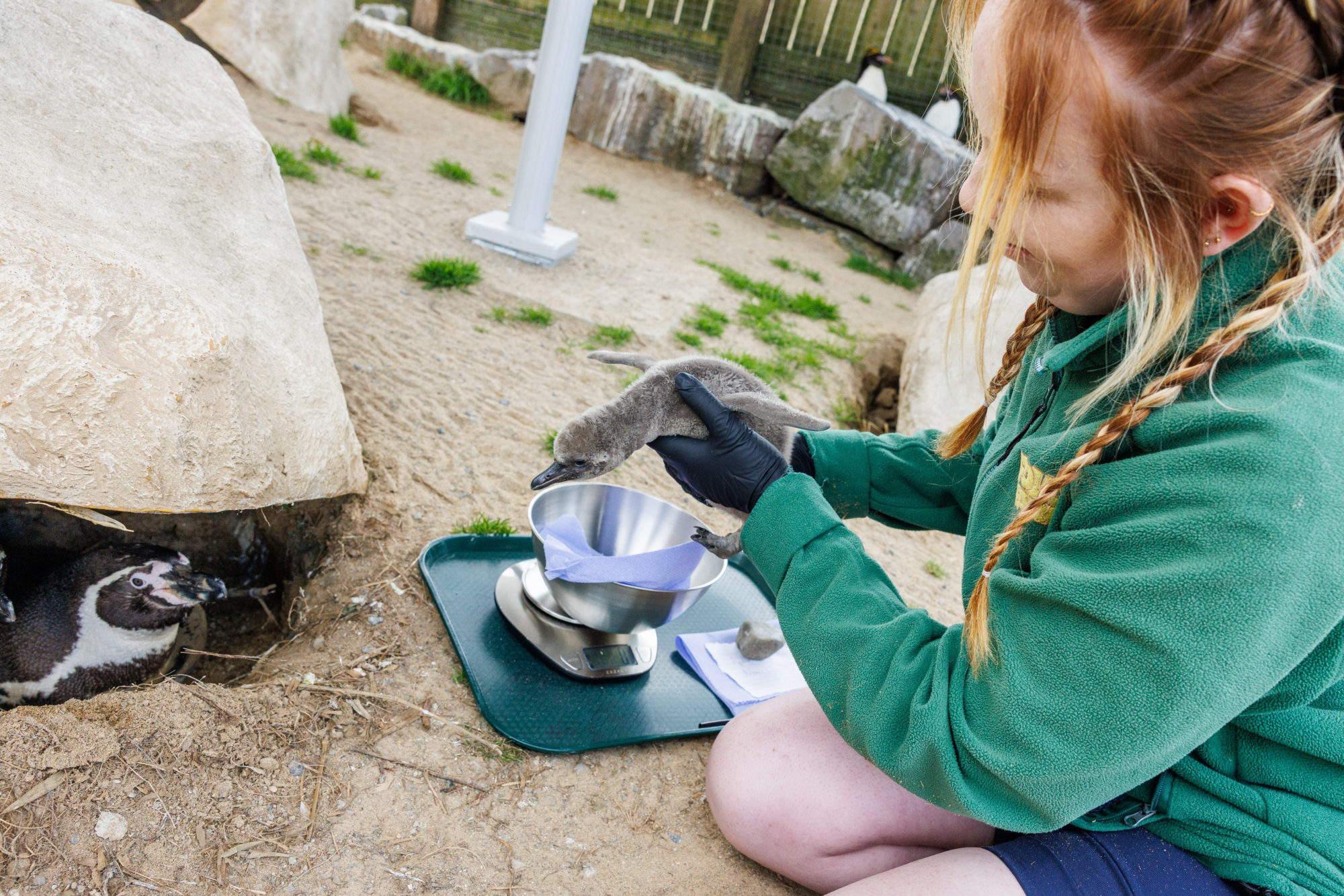
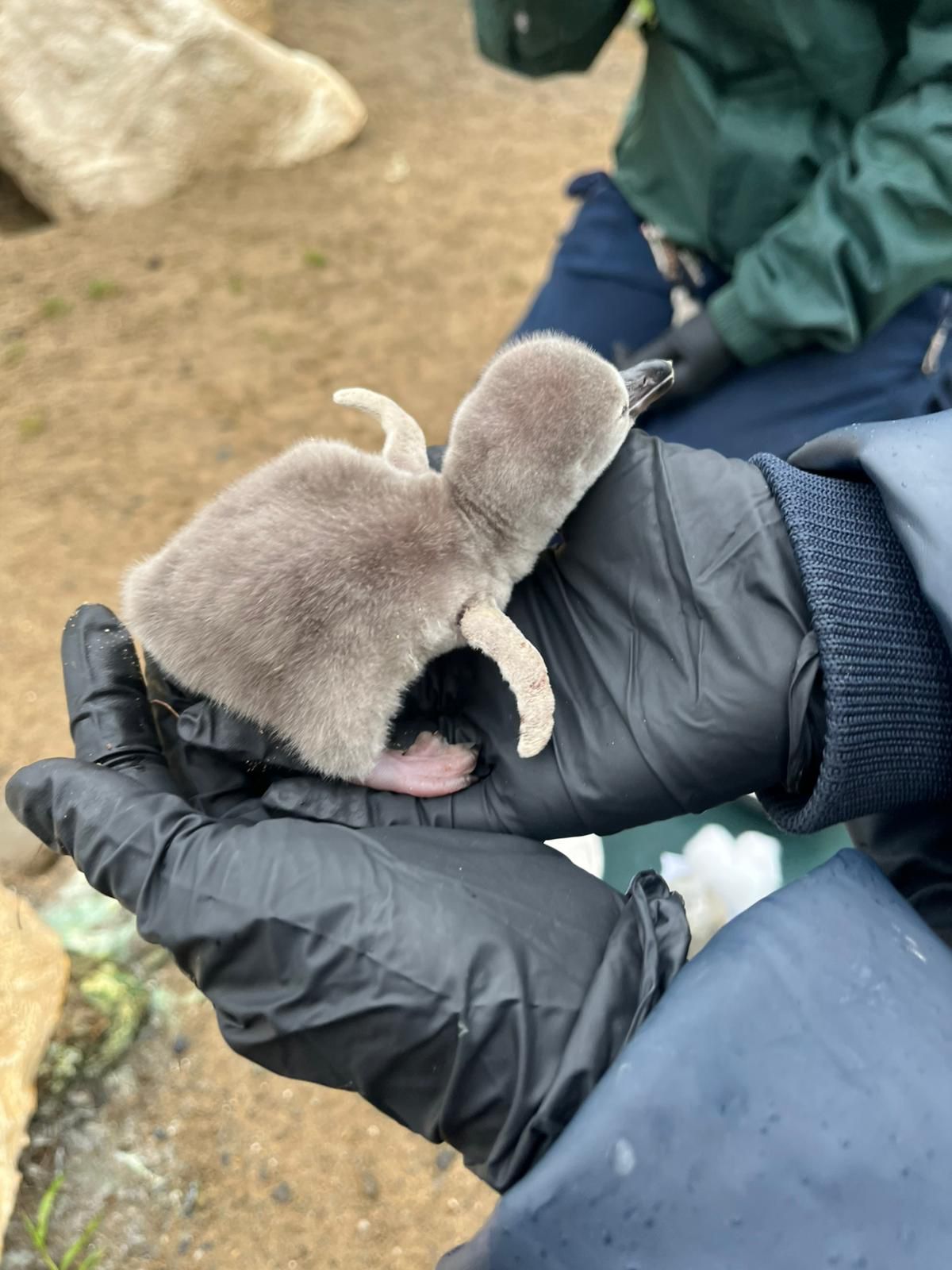
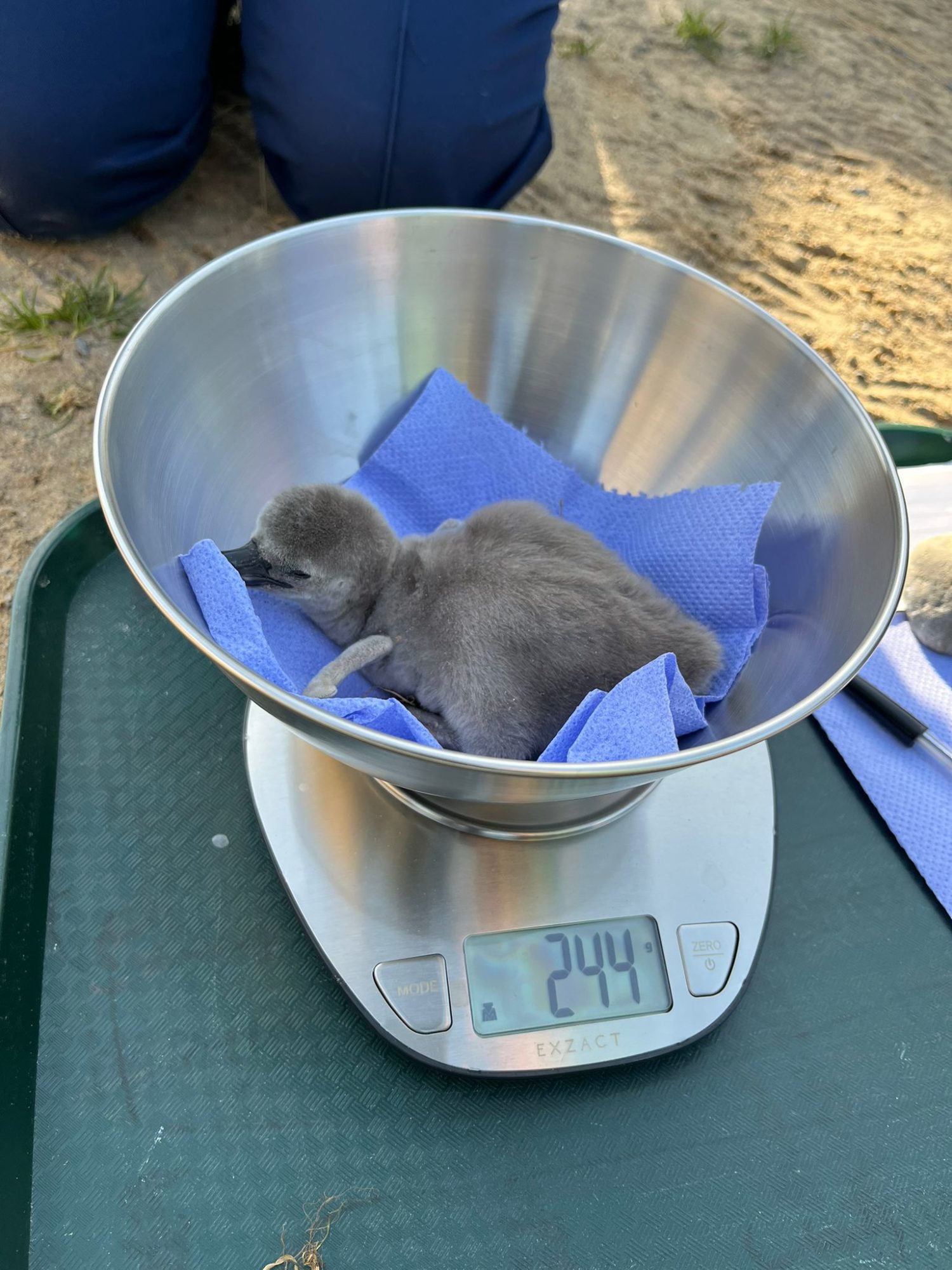
Two very special arrivals have touched down at our Penguin Coast exhibit, and they are already stealing our keepers’ hearts. Our new Humboldt penguin chicks, named ‘Apollo’ and ‘Artemis’, hatched on 16 and 17 April as part of the European Breeding Programme for the species, and are doing brilliantly. They’re our first penguin chicks since 2024, making this a real milestone for the colony and for this at-risk species!
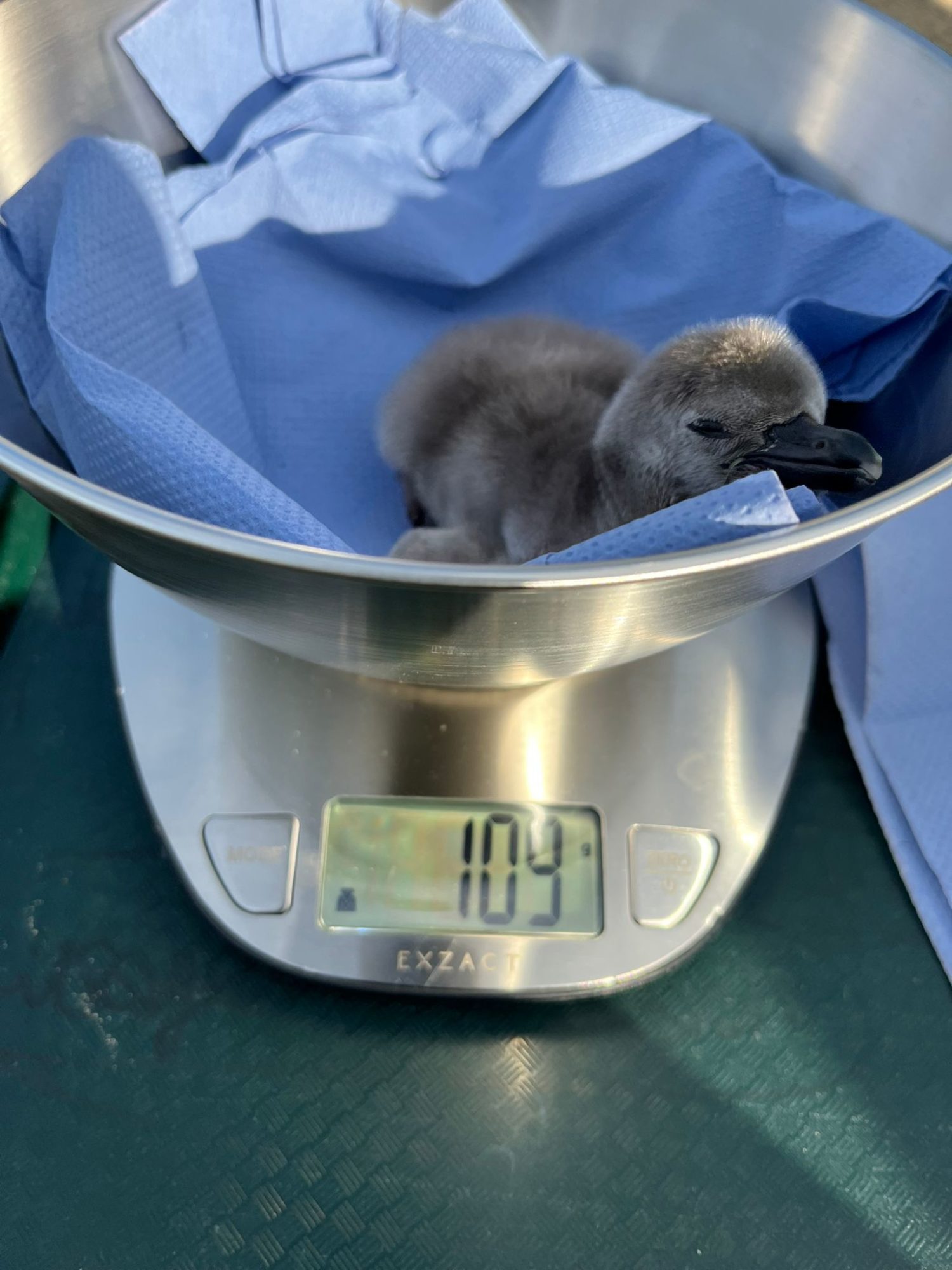
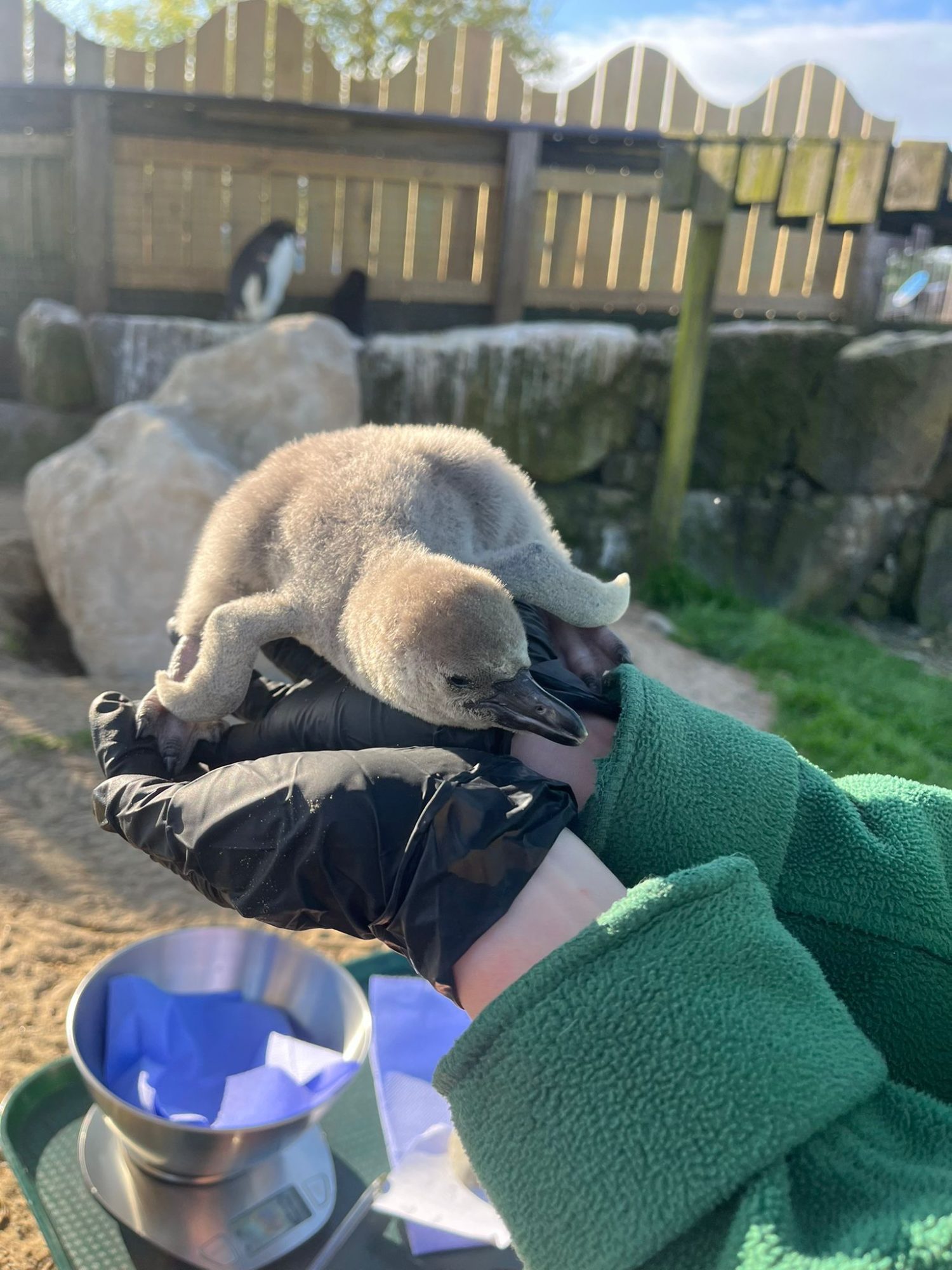
Each breeding season, our keepers choose a naming theme so they can easily keep track of different generations in the colony. As you may have gathered – this year’s theme is ‘space’, so our two newest arrivals have been aptly named ‘Apollo’ and ‘Artemis’. The chicks are brother and sister, both from eggs laid by experienced parents Darwin and Einstein. To give them the best possible start, one egg stayed with Darwin and Einstein, while the other was fostered by adoptive parents Donna and Diavlo. Shared parenting like this is an important part of how we manage a healthy, stable colony.
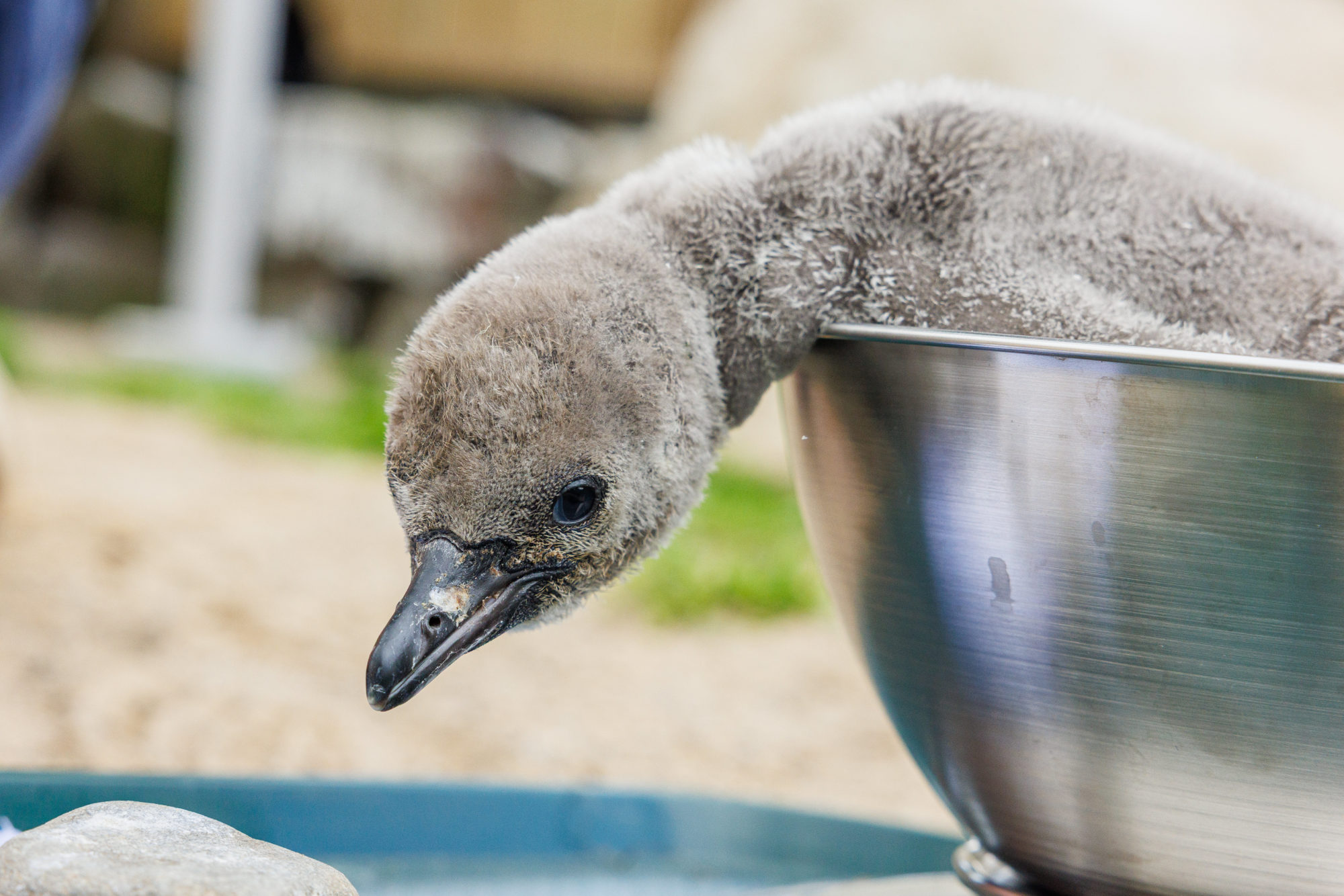
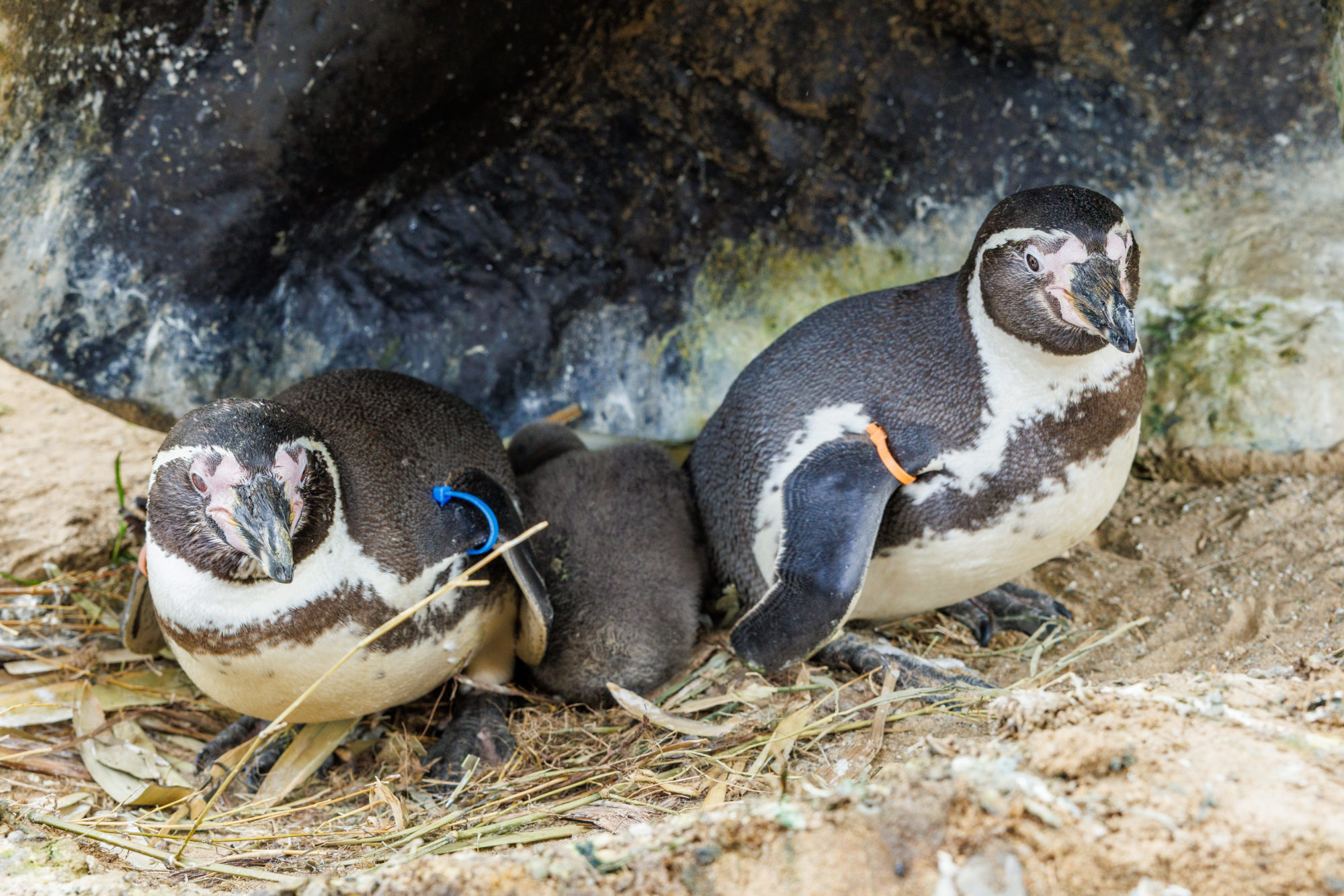
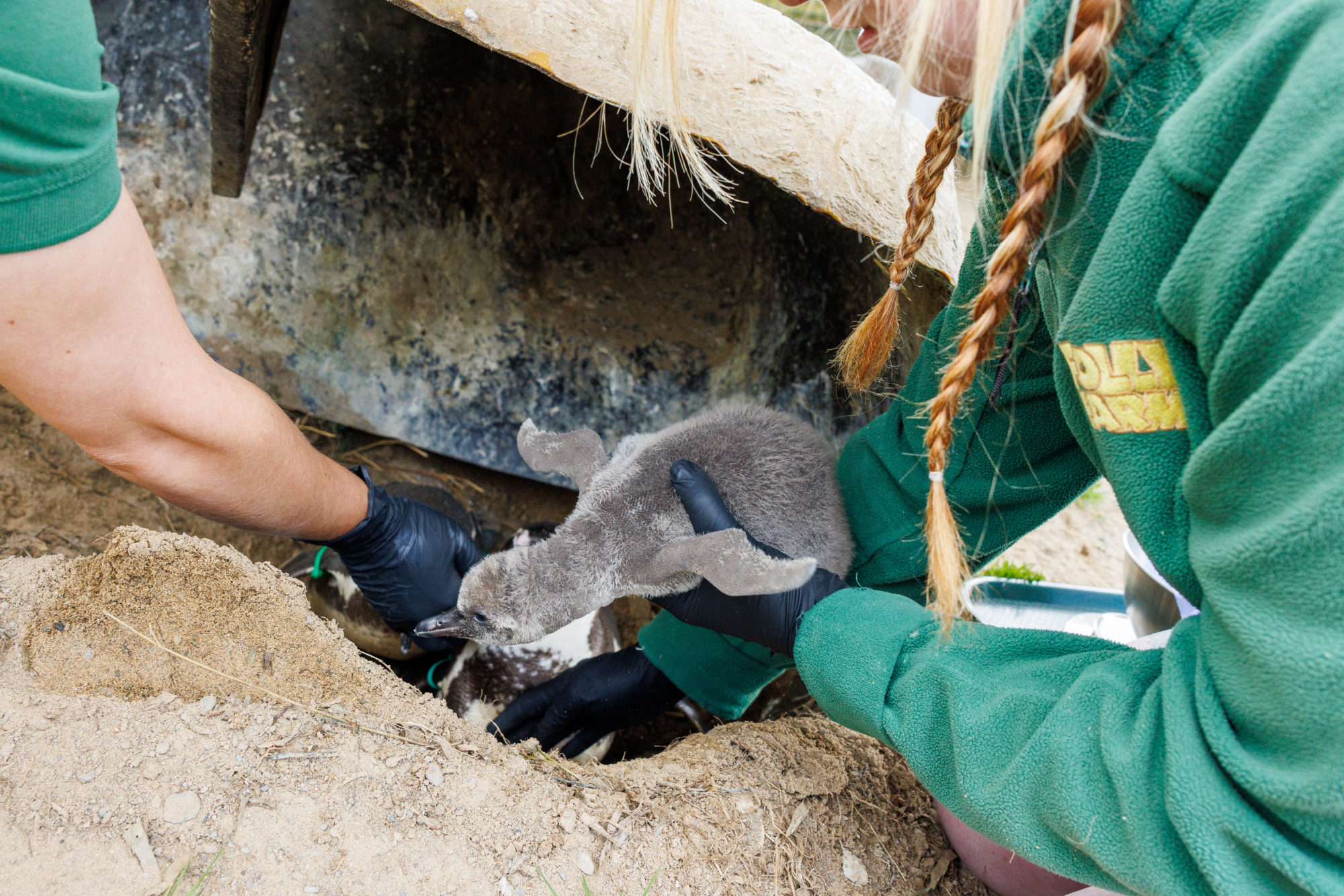
Although they started out tiny, penguin chicks grow pretty quickly. Apollo and Artemis are already getting very chunky, which is exactly what we want to see. In these early weeks, chicks can double their weight every couple of days. For the first few months, Humboldt penguin chicks stay in their nest boxes being cared for by both parents, who take turns feeding them and keeping them warm.
In the wild, life becomes much harder when penguin chicks leave the nest. Young birds have to compete with other chicks and adults to catch their own fish in the open ocean. Many don’t get enough food at this stage. So at Penguin Coast, our experienced keepers give our chicks a little extra help. When Apollo and Artemis are ready and mum and dad essentially kick them out of their nests, our keepers will quickly move them into the penguin nursery, an off-display area of their enclosure. Here, they will learn to eat whole fish and lean how to swim in a safe, shallow pool. Once they’re strong, confident swimmers and feeding well, they will graduate to the main pool and join the rest of the colony.
Humboldt penguins are classed as Vulnerable in the wild. Their numbers are under pressure from climate change, which affects ocean conditions, and overfishing, which reduces their natural food supply. Every successful chick is hugely important for the species. Our penguins are part of the European Breeding Programme through our membership with EAZA, which means Apollo and Artemis could one day play a role in the future of this species, possibly by even moving onto other collections to continue the breeding programme.
For now, Apollo and Artemis will stay behind the scenes, growing fast and being cared for by their parents – whilst being weighed and monitored by our keepers. Sadly, guests won’t be able to see them for a while as they stay safe in their nest boxes. But stay tuned for updates on how these adorable new arrivals are doing, we promise to keep the adorable pics coming!