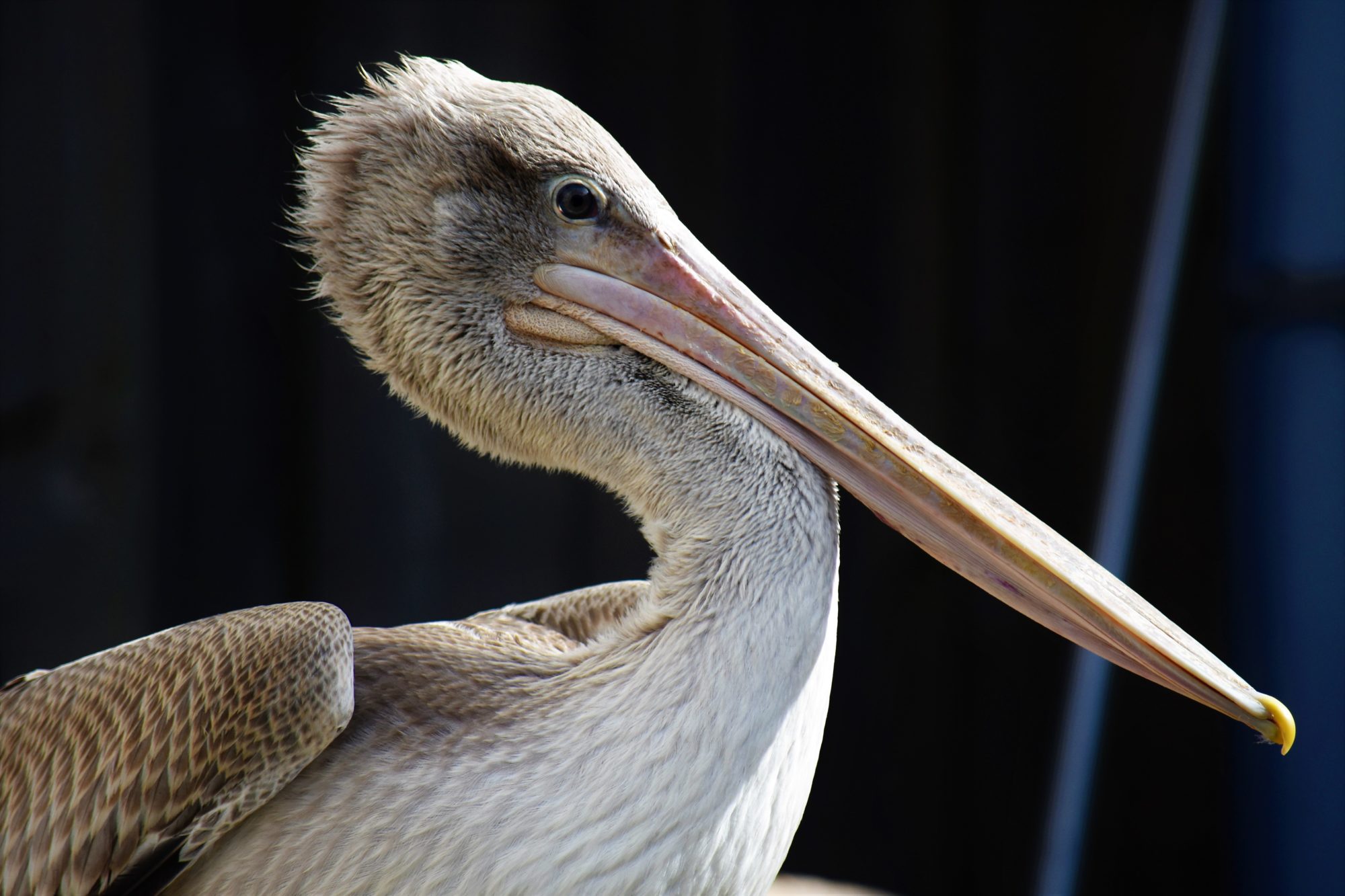
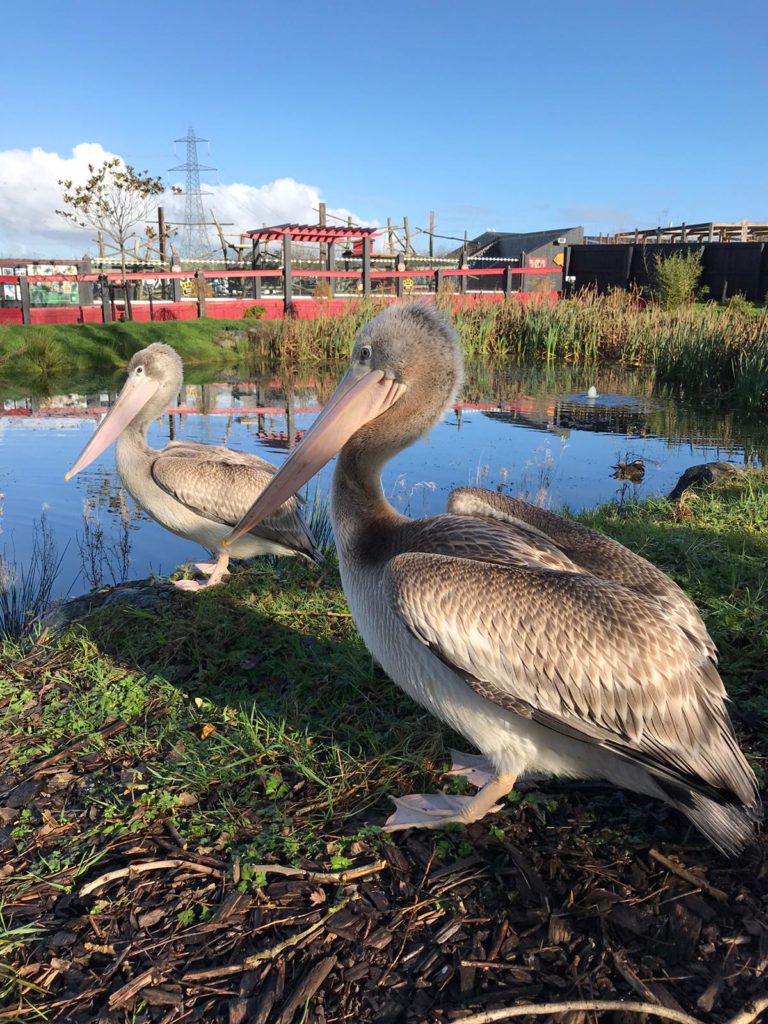
The pink backed pelican is a medium-sized pelican found across sub-Saharan Africa, southern Arabia and Madagascar.
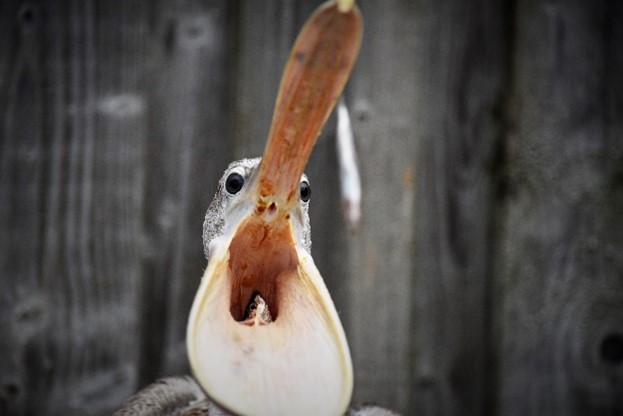
Its plumage is mostly grey-white, with a long, pale pink bill topped by a yellowish hook and a large throat pouch used for scooping up fish. Pink backed Pelicans are often seen in groups around shallow lakes, rivers, estuaries, and coastal lagoons, where they feed on fish and sometimes crustaceans. They are social birds, nesting in colonies, often in trees or reed beds.
The pink backed pelican is classified as a species of Least Concern due to its wide distribution and stable population. However, problems occur when wetlands are drained, overfishing reduces food supplies or nesting trees are destroyed. Conservation of wetland habitats and sustainable fishery practices are key to ensuring the continued survival of this species.
Latin name
Pelecanus rufescens
Class
Aves
Order
Pelecaniformes
Family
Pelecanidae
Conservation status
Least Concern
Impress your friends with everything you know about the pink backed pelican
They often fly in loose formations, using slow wingbeats followed by gliding, which helps them conserve energy over long distances.
Juveniles observe adult birds and practice scooping motions in shallow water until they become skilled hunters.
They help maintain healthy fish populations and contribute to nutrient cycling through their droppings, which fertilise aquatic environments.