They’ve certainly got the hump…well, two actually.
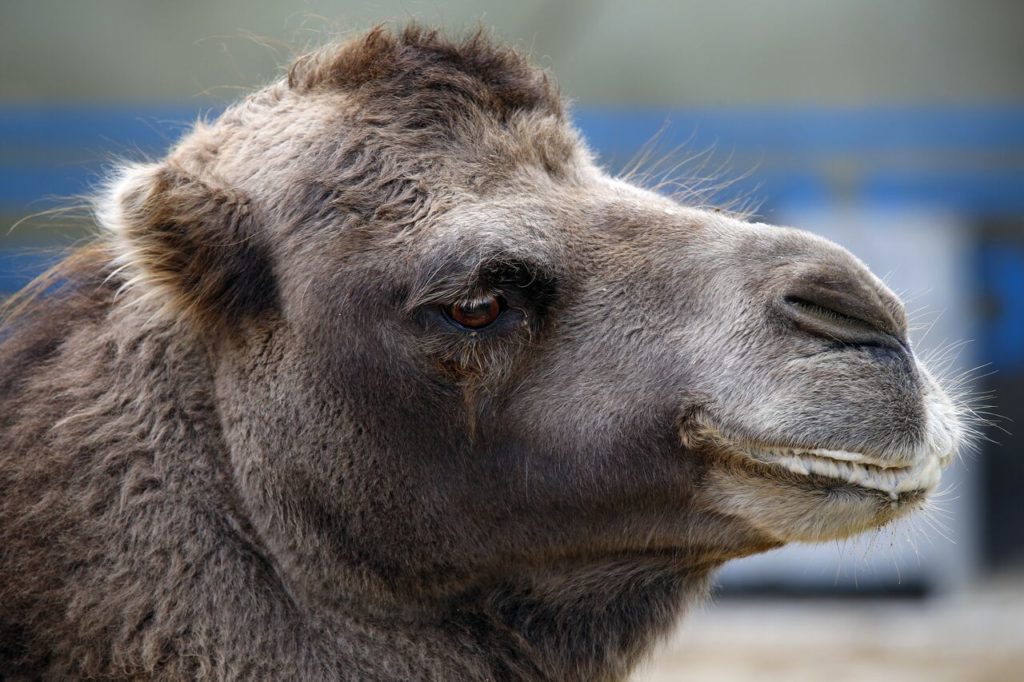
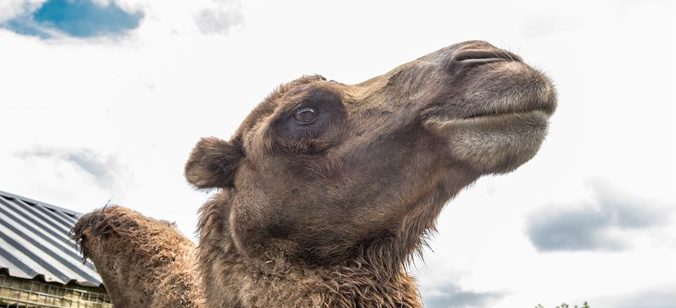
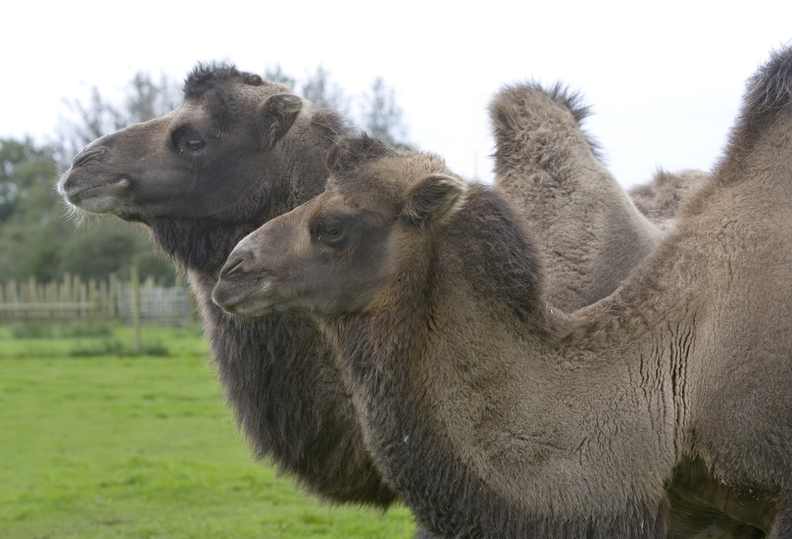
The domestic Bactrian camel is one of the most adaptable creatures on the planet. They can withstand extreme changes in temperature, ideal for their ancestral home ranges in Northern Asia. Amazingly, they can cope with temperatures that swing between +40°C in the summer and -30°C in the winter.
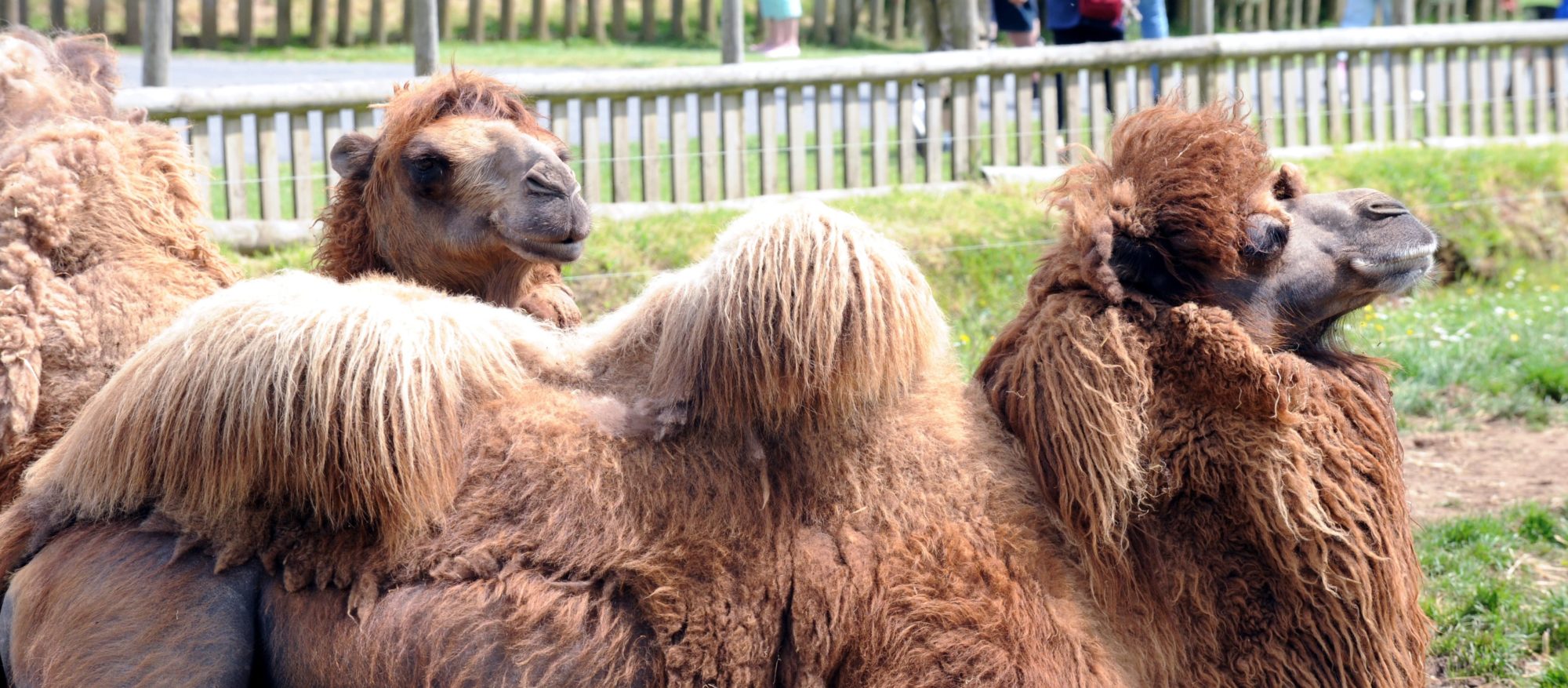
Their two humps work in exactly the same way that they do on a single humped, or dromedary camel. The humps are areas for storing fat. They use the fat by turning it into energy so they can go for a long time without food or water.
When the humps on a Bactrian camel are full of fat they stand upright. When their fat reserves are low then the humps become droopy.
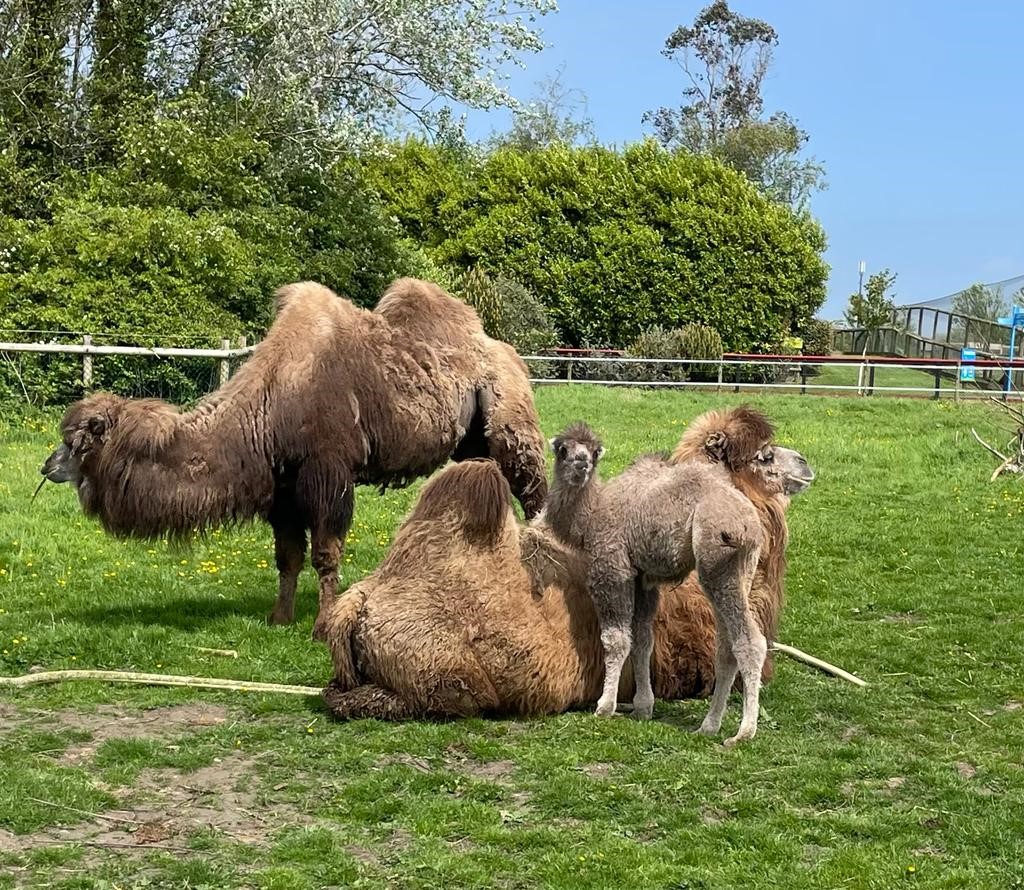
You may also notice that during the summer our camels look a little, well, untidy. That’s because that amazing thick fur coat that they have to keep them warm in the winter is of no use in the summer, so they shed it, or take it off! This happens by itself mostly but you may well see Delilah or Cletus having a good rub up against their house to try and help it along.
Domestic Bactrian Camels are important ambassadors for another similar looking species, the wild camel (Camelus ferus). Until recently these two animals were thought to be the same species, but recent research says otherwise. Originating from China and Mongolia, there are only 950 individuals, therefore making them Endangered.
The main threat that the wild camel population is facing is fragmentation due to humans destroying their natural habitat for farming and mining. They also have to compete with livestock for food and water, and the species is under threat from interbreeding (hybridisation) with the domestic Bactrian camel.
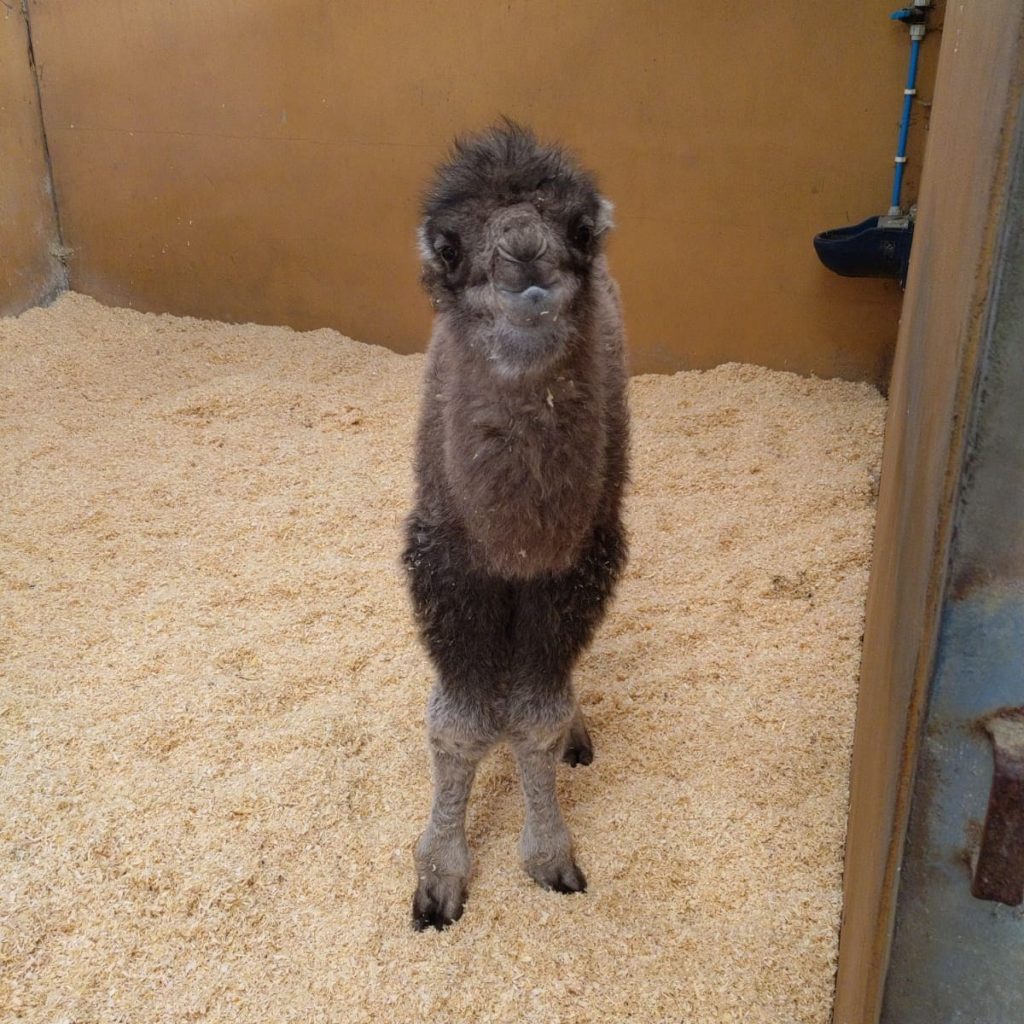
In March 2019 we were surprised by the arrival of Cletus, born to Delilah! A young camel who’d joined us 13 months previously, Delilah was actually pregnant when she arrived but her previous zoo weren’t aware and because she’s still growing anyway we hadn’t realised either. So, our keepers were shocked one Spring morning when they arrived to find not two but three camels!
Cletus, meaning glory/glorious in Greek, was certainly a glorious surprise but because he was a large baby and struggled to stand to feed from mum in the first 12 hours, our keepers had to take the difficult decision to hand rear him with bottles of milk from our goats and move him to our heated giraffe house to ensure his survival. As soon as he was strong enough he was reunited with mum Delilah.
Fun facts about the Bactrian camel
Latin name
Camelus bactrianus
Class
Mammalia
Order
Artiodactyla
Family
Camelidae
Conservation status
Least concern
Impress your friends with everything you know about Bactrian camel!
They can live up to 40 years.
It comes from an old name once used to describe a certain part of central Asia.
Thorny shrubs, grasses and seeds.
They can actually. Although they walk very slowly, they are actually capable of reaching speeds up to 40mph.
This is to help them walk on sand. Their soles have a large surface area to prevent them sinking into the sand.