New home for Macaques!
Our Barbary Macaque exhibit has received a plush upgrade…
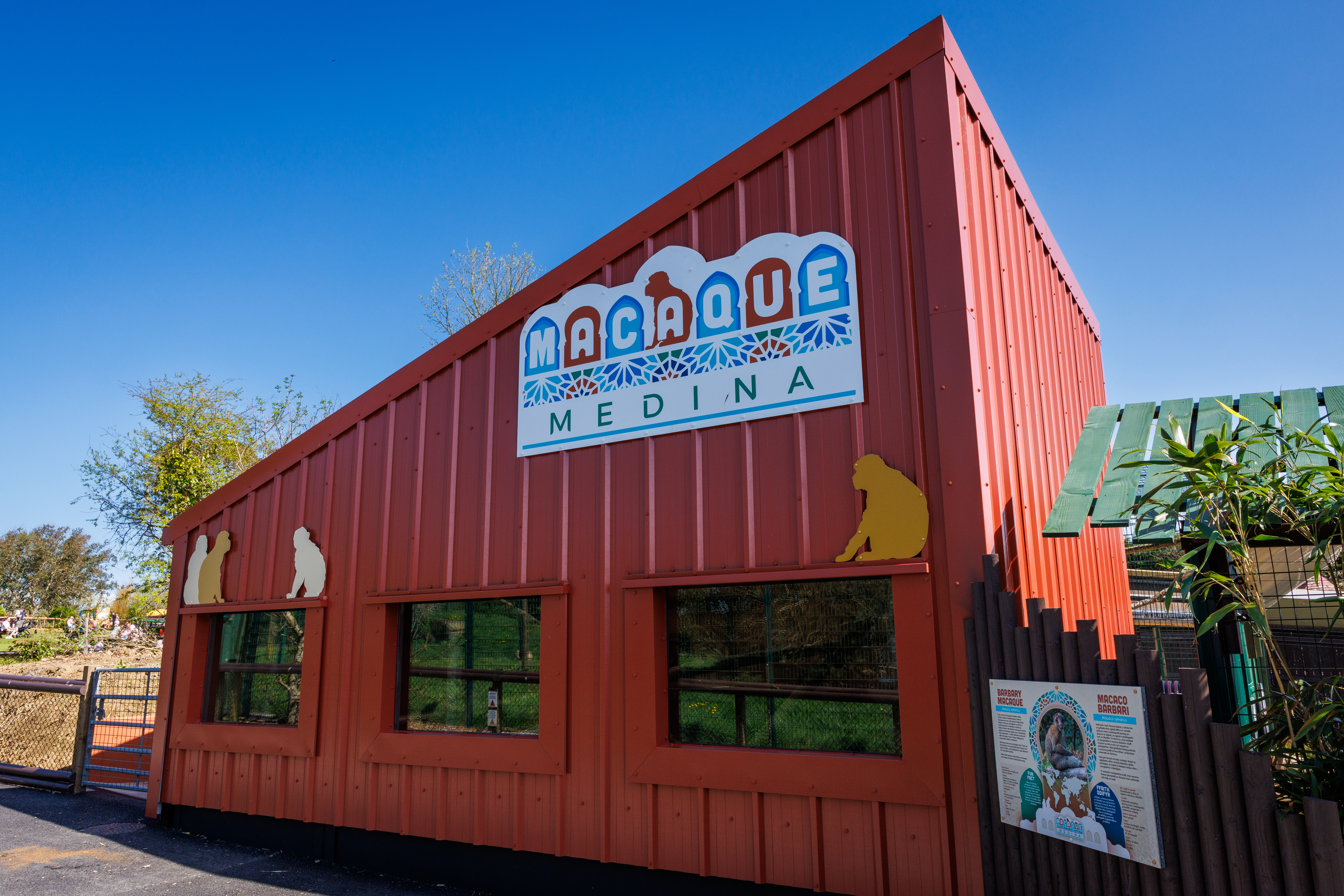
Vivian and Leila, our Barbary macaques, have been part of our zoo family for many years. Both were rescued from the pet trade many years ago and arrived here at our zoo around 2008. They’ve been part of the Folly family for many years now, but this year, they’ve started a brand new chapter, moving into an upgraded enclosure designed especially with them in mind! Welcome to Macaque Medina…
The old macaque house had been in place for 18 years. Animal care and enclosure design have come a long way in that time, so we were keen to give these two the kind of home that reflects everything we have learned since they first arrived. Both Vivian and Leila unfortunately began their young life in the pet trade, a world that can’t possibly meet the needs of a social animal like the Barbary macaque. Sadly, Barbary macaques are under threat in the wild and are classed as an endangered species on the IUCN Red List due to issues such as the pet trade, deforestation and habitat loss, and human interference.
Vivian is believed to be around 21 years old. She is the higher ranking of the two females, even though she is actually the smaller of the pair. She was found on the streets of France by the fire brigade, then moved to an animal rescue organisation and later to AAP (Animal Advocacy and Protection), a European animal welfare organisation dedicated to the wellbeing of animals. From there, she came to us. Leila, thought to be around 19 years old, was confiscated from a houseboat in the Dutch city of Haarlem. She was also rescued from the pet trade and, like Vivian, eventually found a permanent home here at the zoo. From the moment they came to us, the focus has been on giving them safe, stable care and as natural a life as possible.
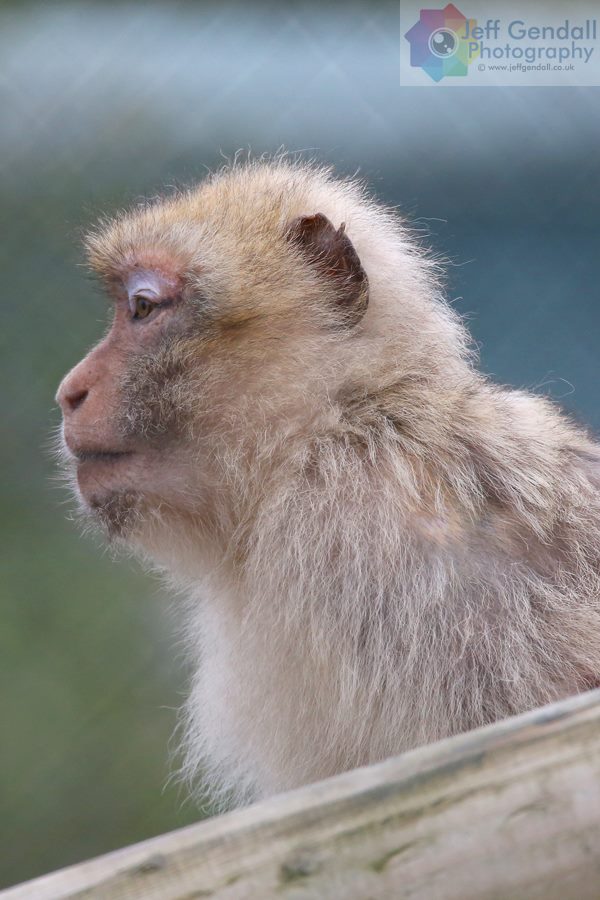
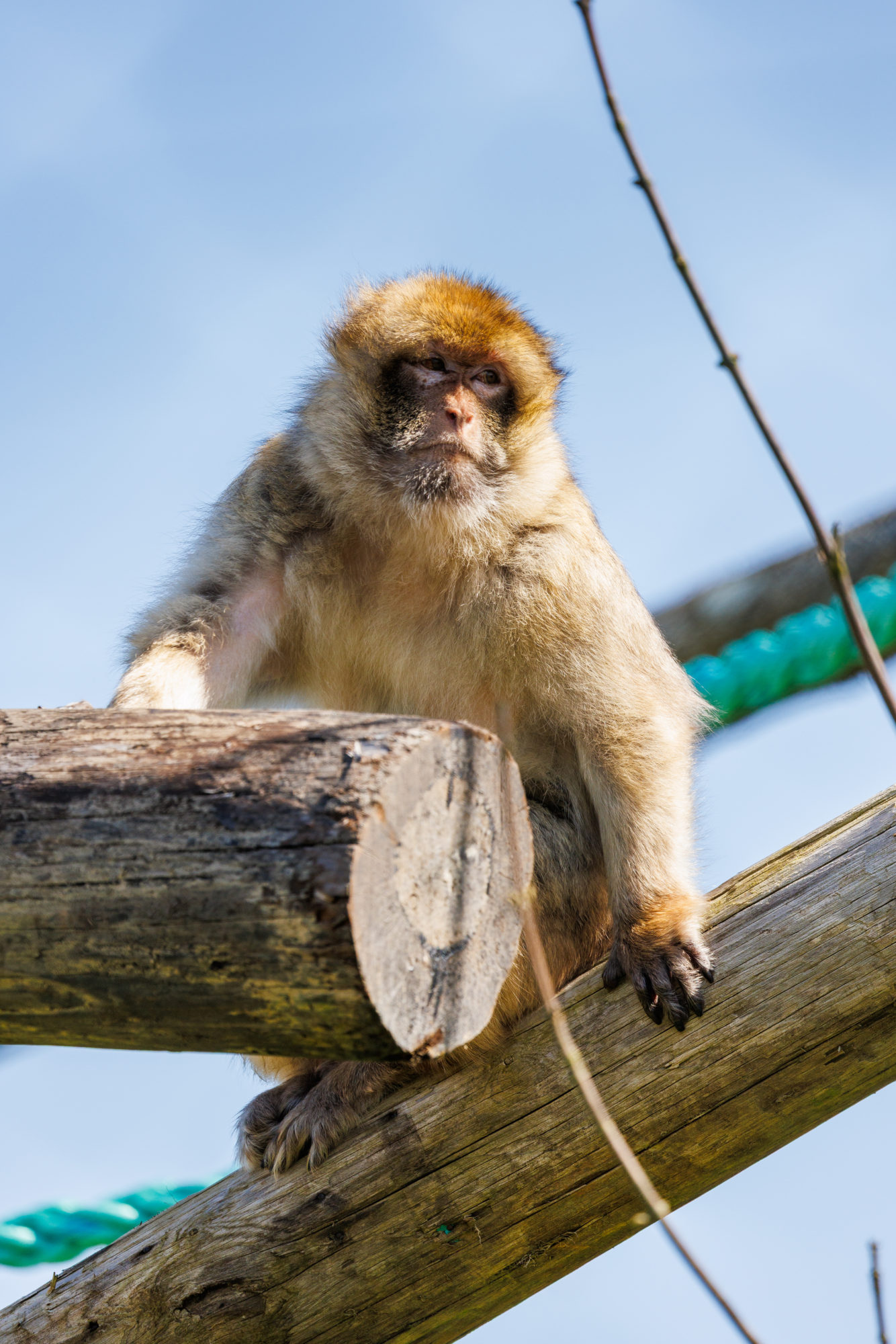
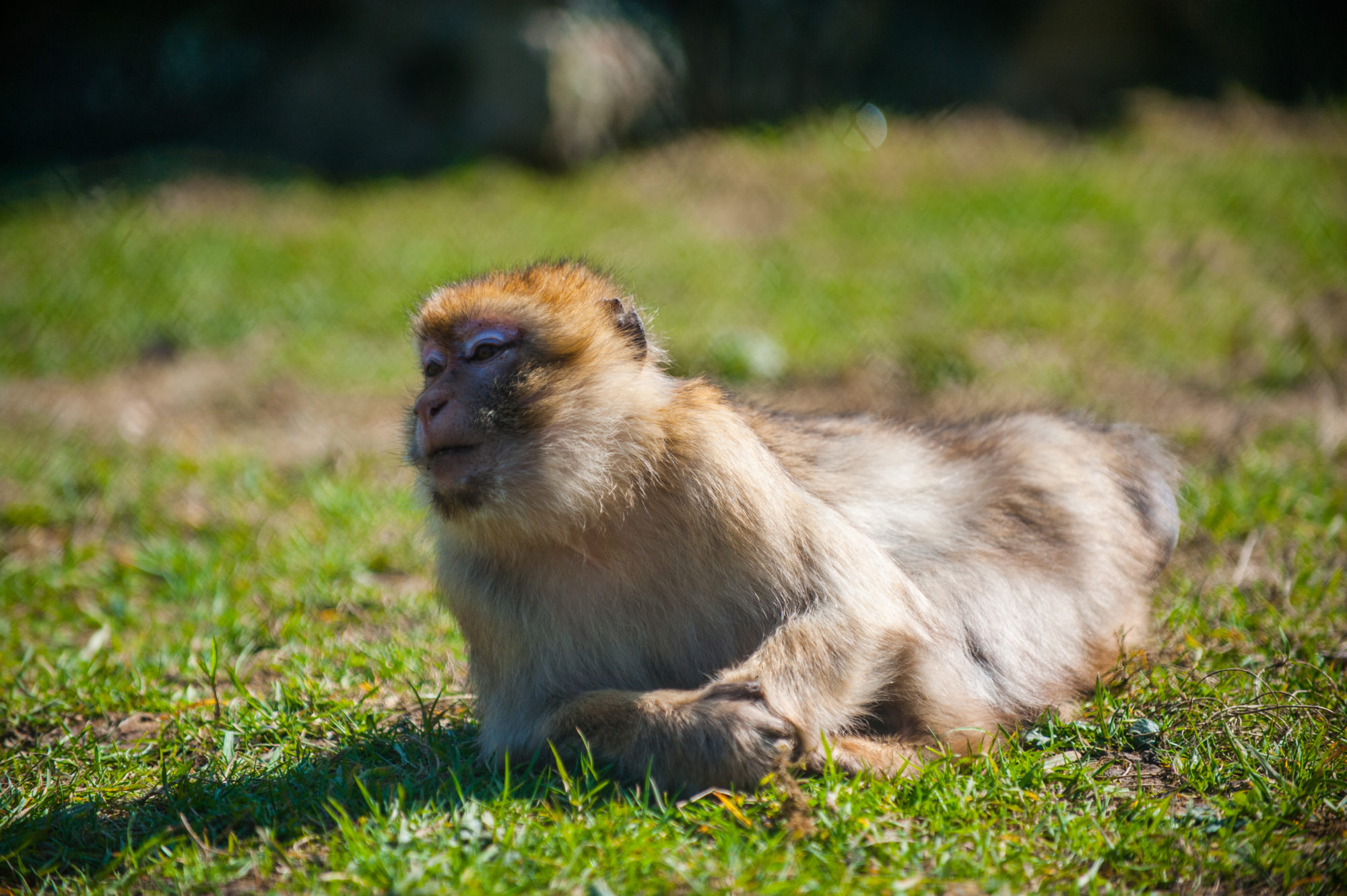
Vivian is easy to pick out as she has purple‑blue eyelids that make her look as if she is wearing eye shadow. She can be wary around her keepers and a little unsure at times, but over the years she has grown in confidence. Because she didn’t receive proper care in her early life, she does live with some long‑term health issues. But this doesn’t affect her day to day life and our experienced keepers monitor her closely and our vets visit regularly ensuring she’s happy and comfortable. The new house and enclosure have been designed with her needs in mind. Leila is the bigger of the two and has always been the lower‑ranking female. She is pretty hardy and not easily phased, and she loves looking out of the windows of her house and at her reflection in the pond – and she’s always interested in new things around her. Where Vivian can be cautious, Leila is more likely to come and investigate.
The previous Barbary macaque house had done its job for many years, but after 18 years it was no longer fit for purpose. Standards in animal care and our own understanding of what macaques need, have moved on – and we’re always investing in our exhibits to ensure we’re offering and upgrading our attractions for both our guests enjoyment, but more importantly, that we have the best homes for our animals. In this case the answer was clear, it was time to invest in a new home for Vivian and Leila, with more space, shelter, and better opportunities for natural behaviour and enrichment activity. The new exhibit is also future proofed as our zoo team look to rehome even more macaques at Folly Farm in the near future as part of the European Breeding Programme for this endangered species. Watch this space!
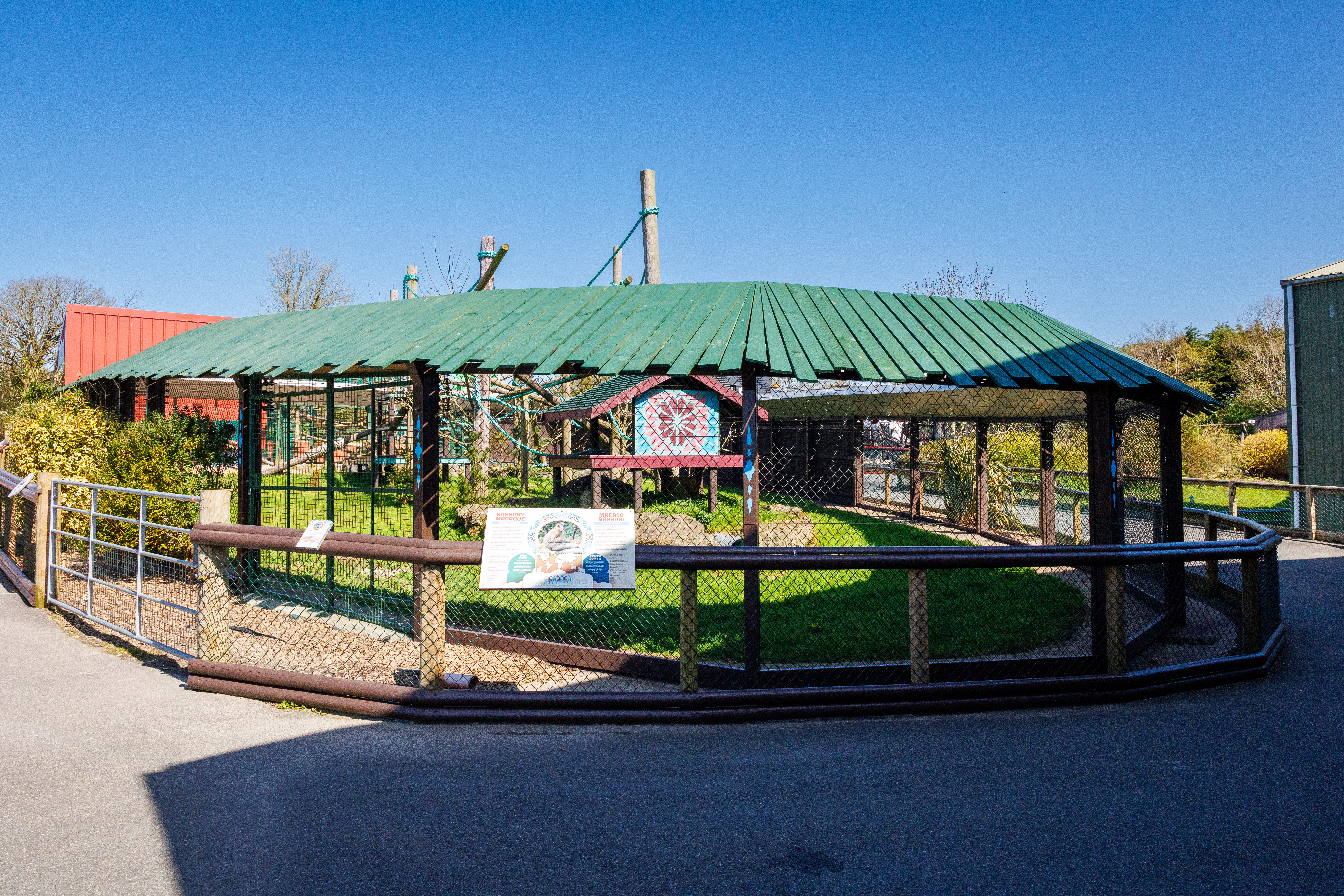
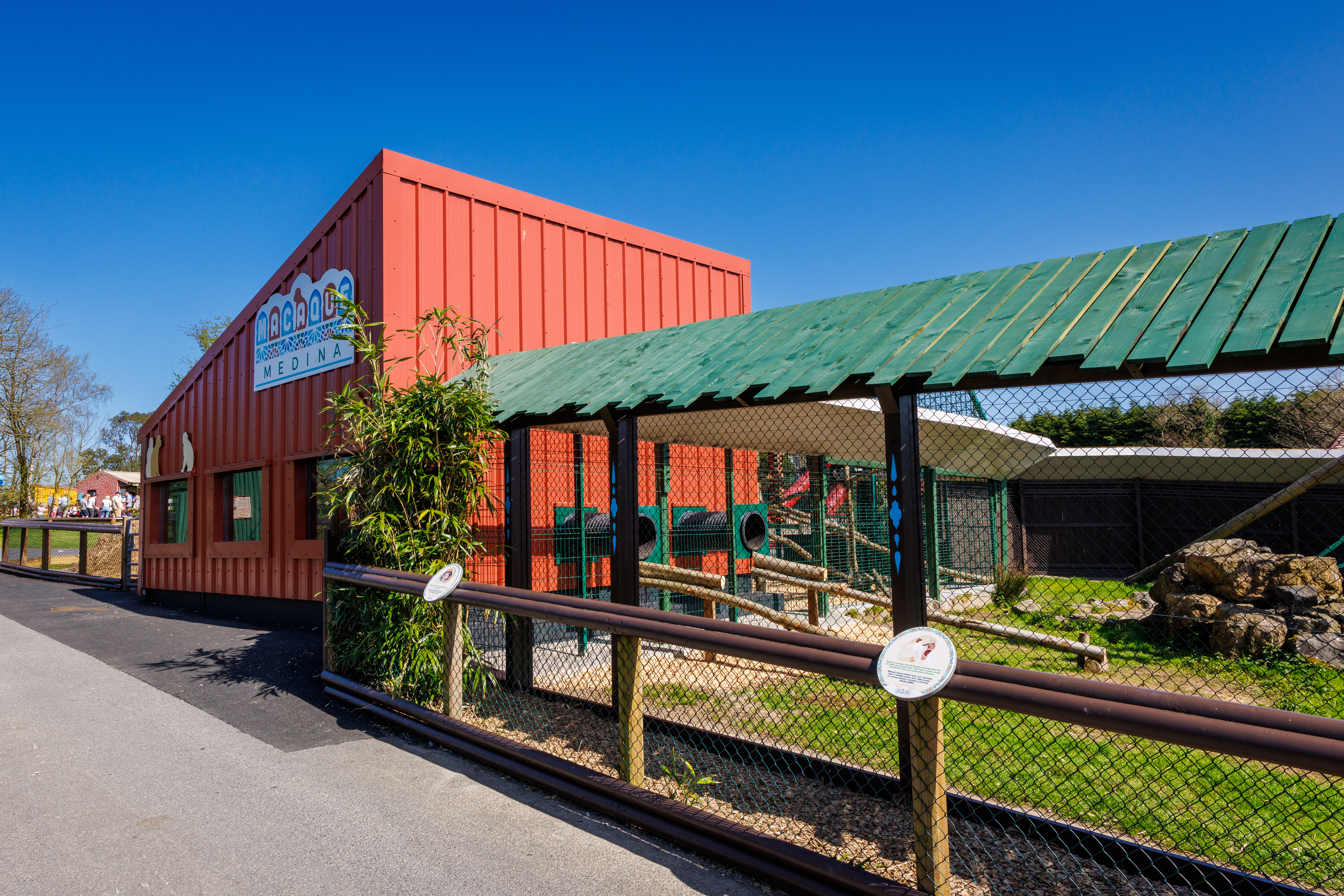
The indoor areas at Macaque Medina are larger, giving the macaques more room to move, rest and choose where they spend their time. For visitors, there is better viewing, so you can watch them even if they choose to shelter indoors. We’ve paid special attention to climbing structures and more natural features. Barbary macaques are active, social primates that climb, explore and interact with their environment so their new environment encourages this, with more varied levels and structures that promote these natural behaviours. We’ve also taken the opportunity to highlight the plight of the Barbary Macaques through the interpretation and signage at the Macaque Medina exhibit, to educate our guests and let them know how they can help with conservation efforts. We support a number of conservation charities but we’ve been supporting Barbary Macaques Awareness and Conservation (BMAC’s) work in Morocco for a number of years. They work tirelessly to raise awareness of the importance of protecting the macaques.
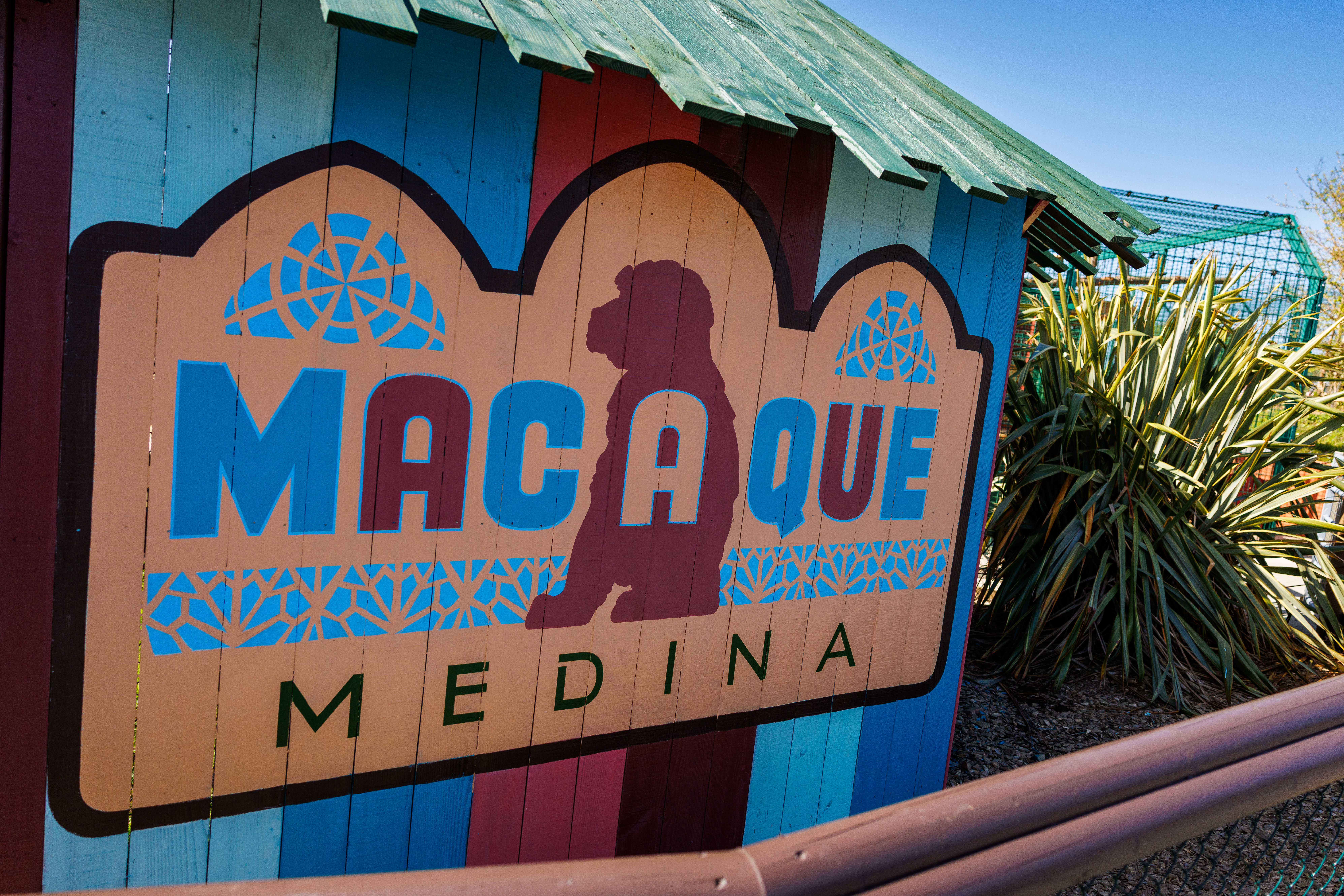
We’re extremely proud to be able to update older enclosures like this. It is not always about building something brand new, sometimes the most important work happens when you take an existing exhibit and re‑think it! And for our visitors, it’s a chance to see our Barbary macaques in a setting that better reflects who they are and how they live – and learn more about the threats they face. Here’s hoping that even more macaques are able to join these long term residents very soon. Keep checking back with us for more updates!